
Category: Tech / Custom Fabrication Reading Time: 5 Minutes
You’ve spent months sourcing a Dana 60 Kingpin front axle, welding up a Solid Axle Swap brake kit, and dialing in your link geometry. You have the approach angle of a mountain goat and the durability of a tank. But there is one specific component that builders consistently overlook until the very last minute—often resulting in a spongy pedal or a snapped line on the first trail run: the brake hose geometry.
In this technical breakdown, we look at why standard plumbing fails on high articulation brake lines and how to properly set up a Dana 60 brake line kit for maximum travel and safety.
The "Ballooning" Effect: Why Your Pedal Feels Soft
Many builders assume that old calipers are to blame for a soft pedal after a swap. However, if you are running large tires on a lifted truck brake lines setup, the issue is often brake hose expansion symptoms. Standard rubber hoses—even new ones—are prone to volumetric expansion. When you stomp the pedal to stop 40-inch tires, the rubber wall swells, absorbing hydraulic pressure that should be clamping the rotor.
To fix spongy brake pedal off road, the industry standard is upgrading to steel braided front brake lines. By encasing a PTFE lined brake hose in a stainless mesh, you physically prevent the line from swelling. This ensures every ounce of pressure reaches the caliper, providing a firmer pedal feel with improved braking response and vital overheating brake fluid protection during long descents.
The Geometry of "Droop": Why 18 Inches Isn't Enough
Stock lines on a Chevy K30 or Dodge W250 are typically short because leaf springs limit travel. However, when you move that axle to a Jeep JK 1-ton swap or a custom rock bouncer brake plumbing setup with coil-overs, your suspension droop brake line limit changes drastically.
A 4-link system allows the axle to drop significantly further than stock. If you use a standard line, the brake hose becomes the limiting strap—a recipe for disaster. This is why 26 inch steel braided brake lines are the gold standard for brake lines for 6 inch lift scenarios and beyond.
Using extended brake lines like the(https://www.eastwestoffroad.com/product/26%22-steel-braided-front-brake-line-kit-pair-(with-hardware) (specifically the E63014 brake lines) gives you the necessary slack to handle full articulation without the line pulling tight against the 10mm banjo fitting.
The Fitting Nightmare: Metric vs. Imperial
The Dana 60 Kingpin front axle spans decades of production, leading to a confusing mix of hardware. A common frustration is connecting the caliper to the frame hard line.
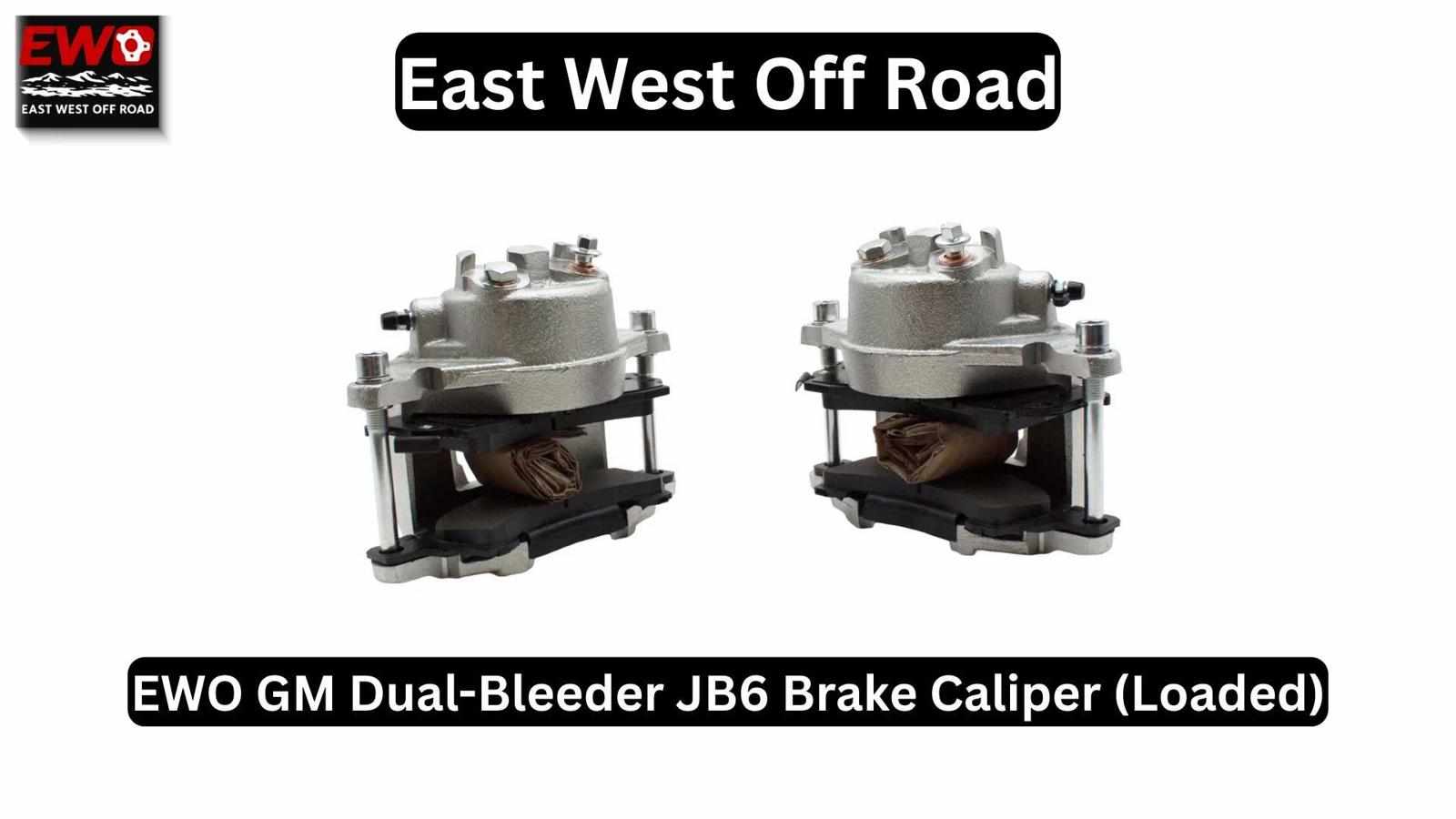
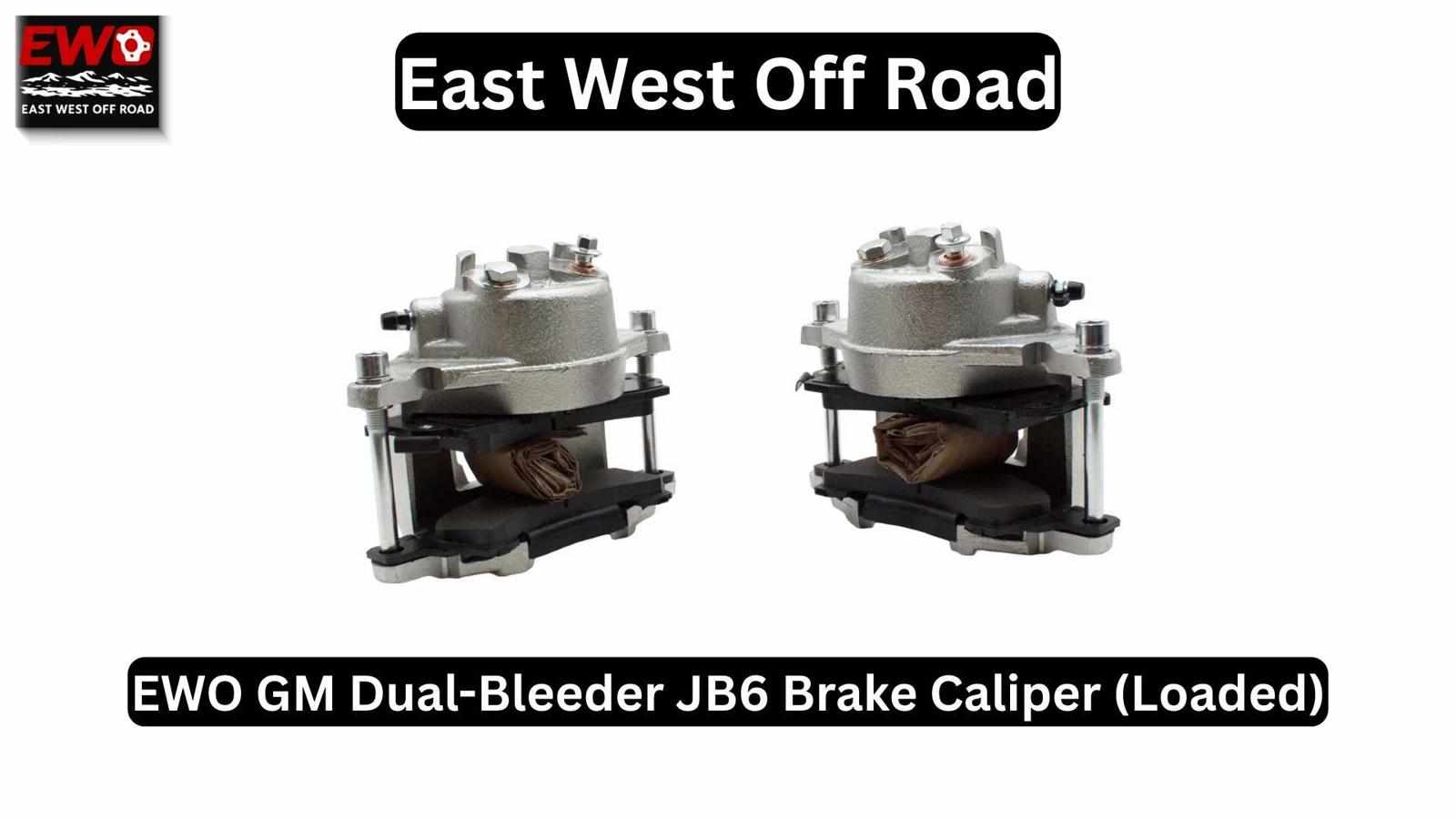
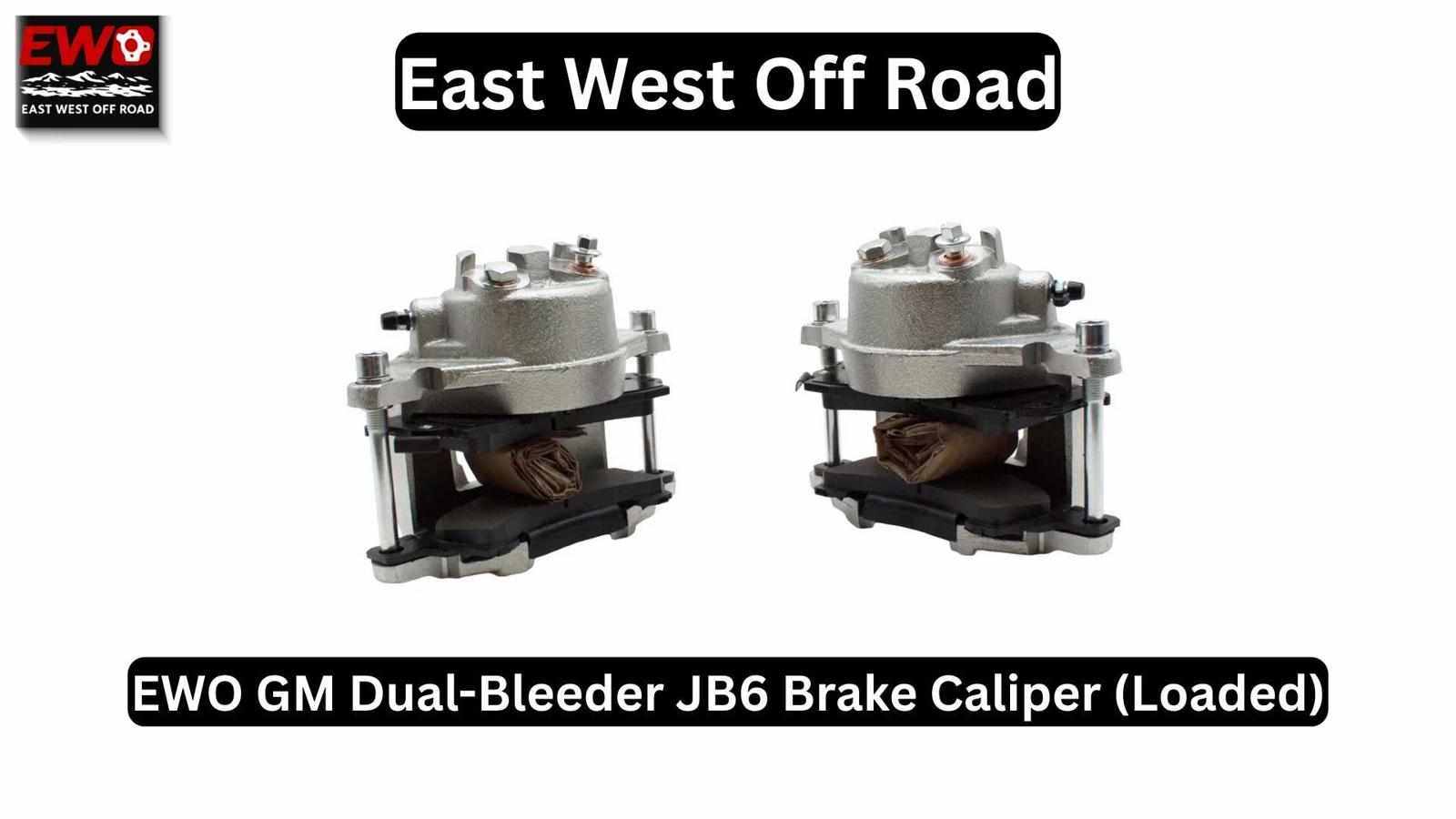
The Caliper Connection: Most Chevy K20 brake lines and JB6 caliper brake lines (as well as the popular RuffStuff dual-bleed calipers) utilize a 10mm banjo brake line bolt. However, early Ford and some pre-1978 Chevy calipers used 7/16". It is critical to ensure you are using a 10mm x 1.5 banjo fitting with fresh copper crush washers 10mm to prevent leaks.
The Frame Connection: The chassis side usually features a 3/16" hard line. The East West Offroad brake kit solves the adaptation headache by terminating the hose with a 3/8-24 inverted flare brake line female fitting. This allows for a direct connection to most domestic hard lines or the use of a simple inverted flare to banjo adapter if your setup requires it.
Fabrication & Routing: The Weld-On Advantage
On a stock vehicle, the brake line mounts are riveted or bolted in place. On a custom off road disc brake conversion, those stock locations are useless. They are often too high or in the path of the shock absorber.
High-end kits like the(https://www.eastwestoffroad.com/product/26%22-steel-braided-front-brake-line-kit-pair-(with-hardware) distinguish themselves from generic auto parts store lines by including weld on brake line tabs and brake line retaining clips.
Pro Tip for Installation:
Disconnect your shocks and springs.
Jack the vehicle up until the axle is at full droop.
Turn the steering lock-to-lock.
Position the weld on frame brackets hydraulic tabs on the frame rail so the steel braided flex lines have a nice arc without being pulled tight.
Weld the tabs in place.
This ensures your flexible brake lines for rock crawling never snag on a tire lug or snap under tension.
The Verdict: Don't Compromise on Hydraulics
Whether you are restoring a CUCV M1008 replacement brake lines system or building a competition rig, the hydraulic link between your foot and the axle is non-negotiable.
While there are many options like Skyjacker extended brake lines, Crown Performance brake lines, or Russell Performance braided lines, the EWO 26” kit is specifically curated for the heavy-duty fabricator. It serves as a superior RuffStuff brake line alternative (comparable to the R2539), offering custom fabrication brake lines hardware right in the box.
If you are running Chevy 60 front, Dodge 60 front, or Chevy V30 brake parts, upgrading to 26 inch brake lines with steel braided construction is the only way to ensure your rig is trail repair brake lines ready.
Get the Kit:(https://www.eastwestoffroad.com/product/26%22-steel-braided-front-brake-line-kit-pair-(with-hardware)
Write a comment ...